Virtual fitting rooms and GDPR: 6 questions to ask.
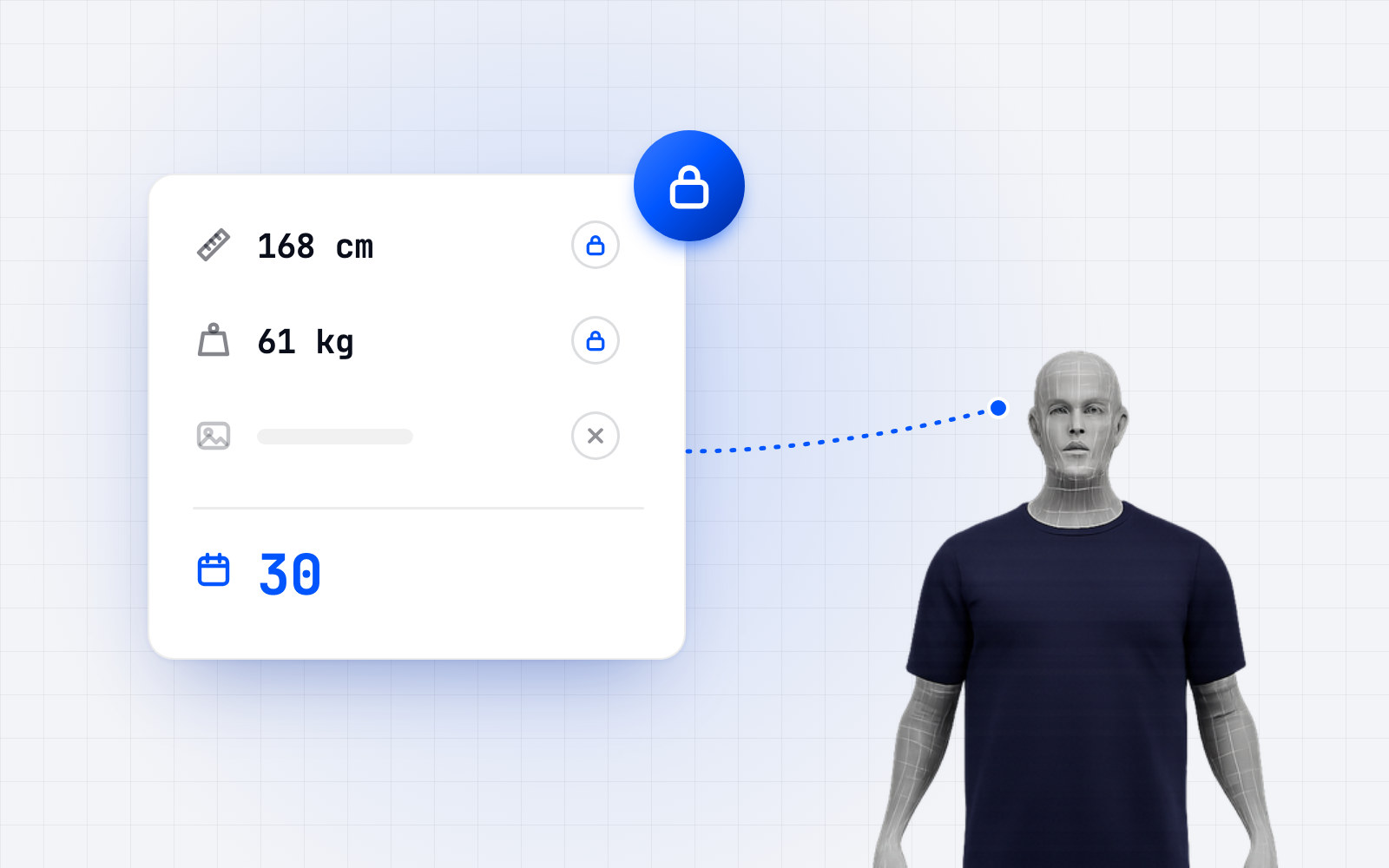
Virtual try-on always asks the shopper for something: a photo, camera access or body measurements. For a store selling in Europe, that data falls under the General Data Protection Regulation (GDPR), and the brand answers for it to its customers.
Here are six questions to ask a vendor before installing it. We build OptiDress and give our own answers at the end. This is not legal advice: for a specific case, ask your data protection officer or a lawyer.
1. What data does the shopper have to provide?
The first question, and the simplest. A photo, a video, camera access, measurements, an account? The GDPR asks you to collect only what is necessary (data minimisation, Article 5). A tool that works with less data reduces your exposure accordingly.
2. Is a photo processed, and how?
The GDPR lists biometric data used to identify a person among special categories of data (Article 9), whose processing is prohibited in principle, with exceptions. A photo is not automatically biometric data: it becomes so when processed through specific technical means that allow the person to be identified (Article 4 and Recital 51). So ask the vendor exactly what happens to images: where they go, what is extracted from them, and whether the tool can do without them.
3. How long is the data kept?
A precise, written retention period that fits the purpose. An avatar kept for a few weeks so the shopper does not have to re-enter everything is easy to justify; indefinite retention much less so.
4. Who processes the data, and where?
The vendor normally acts as the brand's processor: you need a contract that says so (Article 28) and the list of its own sub-processors. If data leaves the European Union, ask on what basis (adequacy decision, standard contractual clauses).
5. Is privacy built in from the start?
Article 25 requires data protection by design and by default. In practice: does the tool work without an account, without optional data, and what happens if the shopper declines?
6. What does the shopper see before starting?
At the moment they enter their data, shoppers should know what it is for and how long it is kept. Look at the tool's first screen: it speaks on behalf of your store.
OptiDress's answers
- Shoppers declare their measurements (height, weight, body shape, and optionally chest, waist and hips); no photograph is requested, uploaded or processed.
- The avatar is kept for 30 days on the store, with no account to create.
- Our sub-processors and processing regions are listed on a dedicated page.
Frequently asked questions.
Can a virtual fitting room be GDPR compliant?
Yes, if it collects the minimum data, keeps it for a defined period, relies on a processing agreement and informs the shopper. The answer depends on the tool, not on the technology in general.
Is a customer photo biometric data?
Not automatically. Under the GDPR, a photo becomes biometric data when it is processed through specific technical means that allow the person to be identified. This is not legal advice.
What data does OptiDress use?
The measurements the shopper declares. No photograph is requested, uploaded or processed, and the avatar is kept for 30 days on the store.