Vanity sizing: why a size M differs from brand to brand.
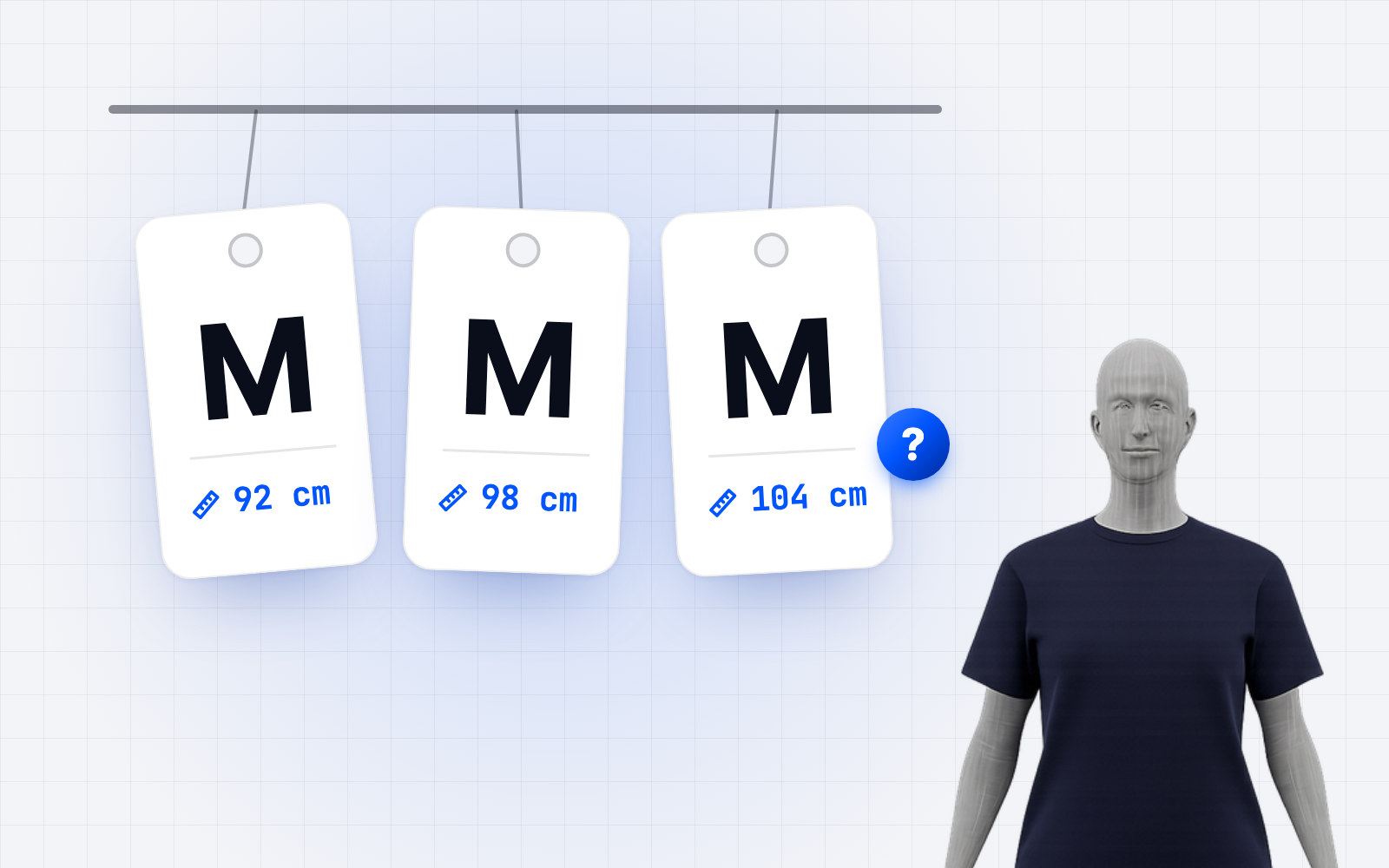
"Vanity sizing" is the practice of labelling a garment with a smaller size than its real measurements: shoppers fit "into a 6" and feel better. Applied unevenly across brands and over time, it has one simple consequence: the size on the label no longer matches fixed measurements.
For an online store, that is a concrete problem: the shopper picks their usual size, and the parcel comes back. Selling abroad adds a layer: see our clothing size conversion chart for UK, US and EU sizes.
Why sizes no longer mean much
- Each brand sets its own measurements for each size, according to its target customers.
- The same brand can size differently from one collection or cut to another.
- Size systems change from country to country (a French 38 is not a German 38).
- The European standard EN 13402 proposes labelling clothes by body measurements in centimetres, but it is voluntary.
What it costs a store
Shoppers who order "their" size do not know it does not match your measurements. Size and fit are the leading cause of online apparel returns: 53% of the apparel brands and retailers surveyed by Coresight Research name them as the top reason, ahead of colour (16%) and damage (10%). Vanity sizing is one of the drivers. Even the W on a pair of jeans is a label, as our jeans size chart explains.
How to protect your store
- Publish garment measurements in centimetres, size by size, not just S, M, L.
- Say how the garment fits compared with your other styles: "runs small", "relaxed fit".
- Recommend a size from the shopper's body, not from the size they wear elsewhere: their measurements do not depend on another brand's label.
The OptiDress approach
OptiDress does not ask shoppers which size they wear elsewhere. It starts from the measurements they declare and compares them with the measurements of each size of the garment, provided by the brand. Shoppers see the recommended size for that exact garment, and what each of the others would give.
Frequently asked questions.
What is vanity sizing?
It is labelling a garment with a smaller size than its real measurements. The same size on the label then no longer means the same measurements from one brand to another.
Why does my size change between brands?
Because each brand sets its own measurements for each size, and size systems also vary by country.
How can a store avoid returns caused by size differences?
By publishing each garment's measurements in centimetres and recommending the size from the shopper's measurements, rather than from the size they wear elsewhere.